

As men grow older, changes in physical health, emotional wellbeing, and daily routines can create new challenges. However, some older men find it difficult to acknowledge these changes or ask for support, often because of long-held beliefs about independence, strength, and self-reliance.
November marks Men’s Health Awareness Month, also known as Movember, which encourages open conversations about men’s health and the importance of seeking help. Understanding why older men hesitate to ask for assistance can help families recognise their needs, encourage communication, and provide appropriate support.
Why do older men find it difficult to ask for help?
Older men may hesitate to seek assistance for several reasons, including personal beliefs, emotional concerns, and expectations developed throughout their lives.
Traditional expectations of masculinity and self-reliance
Some older men grew up believing that being strong meant handling problems independently. They may feel expected to remain resilient, avoid showing vulnerability, and manage difficulties without assistance.
These long-held attitudes can make it challenging to acknowledge physical limitations or discuss emotional struggles, even when additional support could improve their daily lives.
Fear of losing independence and control
Independence often plays an important role in an older person’s sense of identity. Accepting help with personal care, household responsibilities, or everyday activities may create concerns about losing control over familiar routines.
Some men may worry that asking for assistance could lead to others making decisions on their behalf. This fear can discourage them from discussing their needs openly.
Difficulty discussing physical and emotional health
Talking about personal health concerns can feel uncomfortable, particularly when they involve mental health, changes in physical abilities, or sensitive medical issues.
Some older men may struggle to express feelings of sadness, anxiety, or loneliness. Others may dismiss symptoms as a normal part of ageing rather than discussing them with a healthcare professional.
Reluctance to become a burden on family members
Older men who have spent years supporting their families may find it difficult to adjust to changing family responsibilities.
They may avoid mentioning difficulties because they do not want relatives to worry, rearrange their schedules, or take on additional responsibilities. As a result, family members may remain unaware of the support their loved one needs.

The impact of delaying health support in later life
When older men avoid seeking medical advice or accepting necessary assistance, manageable health concerns may become harder to address.
- Worsening health conditions: Ignoring persistent symptoms or postponing medical appointments may delay diagnosis and treatment, potentially allowing existing conditions to progress.
- Increased risk of falls and injuries: Mobility difficulties, reduced strength, or balance problems may increase the likelihood of accidents when appropriate assistance or safety measures are unavailable.
- Declining mental wellbeing: Untreated emotional distress may contribute to persistent low mood, anxiety, or withdrawal from activities and relationships.
- Reduced ability to manage everyday needs: Without appropriate support, difficulties with personal hygiene, preparing meals, or managing medication may affect health and daily wellbeing.
Seeking timely medical advice and practical assistance can help address these concerns and support a better quality of life in later years.
Practical ways families can encourage older men to seek help
Supporting an older man who is reluctant to accept assistance requires patience, sensitivity, and respect for his personal choices.
Start conversations with patience and understanding
Choose a comfortable, private setting to discuss any concerns. Rather than focusing on what he can no longer manage, ask how he feels about his daily routine and whether particular activities have become difficult.
Listen carefully, avoid making assumptions, and allow him time to express his views.
Involve them in decisions about their care
Older men may feel more comfortable accepting assistance when they remain involved in decisions affecting their lives.
Discuss available options, respect their preferences, and encourage them to choose the type of support they would find helpful.
Encourage regular health check-ups and social connections
Encourage routine GP appointments and open conversations about physical and emotional wellbeing.
Maintaining contact with friends, relatives, and community groups can also provide opportunities for social interaction and emotional support.
Introduce additional support gradually
If an older relative is hesitant about accepting care, consider discussing assistance with specific tasks rather than suggesting major changes immediately.
Starting with occasional help may allow him to become familiar with receiving support while maintaining control over his daily routine.
The role of home care in supporting older men’s independence
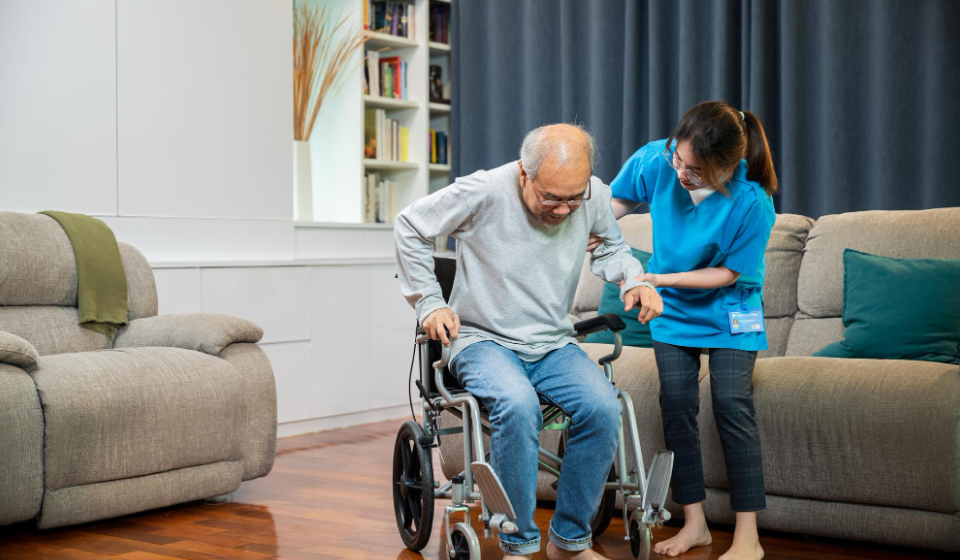
For older men who find everyday activities increasingly challenging, personalised home care can provide practical assistance while allowing them to remain in familiar surroundings.
Depending on individual needs, home care may include support with personal hygiene, dressing, meal preparation, medication reminders, and household activities.
Regular visits can also provide companionship and opportunities for conversation, particularly for older men who spend significant time alone.
Importantly, care arrangements can be developed around personal preferences, established routines, and changing support requirements.

Supporting older men beyond Men’s Health Awareness Month
Men’s Health Awareness Month provides an opportunity to recognise the barriers that may prevent older men from seeking help. However, encouraging open conversations, respecting personal choices, and recognising changing needs should remain priorities throughout the year.
At AUM Care Group, we provide personalised home care that supports older adults with everyday activities while respecting their independence, dignity, and individual preferences. Contact our team to discuss suitable home care options for your loved one.
Frequently asked questions
Why do older men avoid talking about their health?
Some older men feel uncomfortable discussing health concerns because of traditional beliefs about masculinity, fear of vulnerability, or concerns about losing independence.
What are the signs that an older man may need additional support?
Changes in personal hygiene, mobility, eating habits, household management, or social engagement may indicate that an older man could benefit from additional assistance.
Can loneliness affect men’s mental health in later life?
Yes, prolonged loneliness can contribute to emotional distress, low mood, and reduced wellbeing, particularly following bereavement, retirement, or changes in social circumstances.
What can families do when an older relative refuses help?
Families can listen to their concerns, respect their choices, explain available support options, and introduce assistance gradually without creating unnecessary pressure.
Is home care suitable for older men who value their independence?
Yes, personalised home care can support daily activities while allowing older men to maintain familiar routines, make personal decisions, and remain at home.