
World Stroke Day, observed annually on 29 October, raises awareness of stroke and its impact on individuals and families. While hospital treatment is an important part of care, returning home can bring its own challenges. Everyday activities may become more difficult, and families often need to consider how best to support their loved one’s changing needs.
Having appropriate care in place can make the transition home easier to manage. For individuals requiring ongoing assistance, live-in care can provide personalised support while helping them maintain familiar routines. In this article, we discuss what affects stroke recovery, how live-in care supports individuals at home, and what families should look for when choosing care.
What factors can influence recovery after a stroke?
Stroke recovery is different for everyone. Some people regain many of their abilities within weeks or months, while others experience lasting changes that require longer-term rehabilitation. Several factors can influence the recovery process, including:
- Severity and location of the stroke: The extent of damage and the area of the brain affected can determine which physical, cognitive, or communication abilities are affected.
- Age and overall health: Existing health conditions, physical fitness, and general wellbeing may influence how someone responds to rehabilitation.
- Access to rehabilitation: Appropriate physiotherapy, occupational therapy, and speech and language therapy can help individuals work towards their recovery goals.
- Post-stroke complications: Difficulties such as swallowing problems, infections, or persistent fatigue may affect recovery and require additional medical attention.
How can live-in care help with stroke recovery at home?
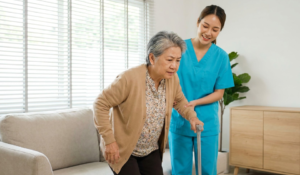
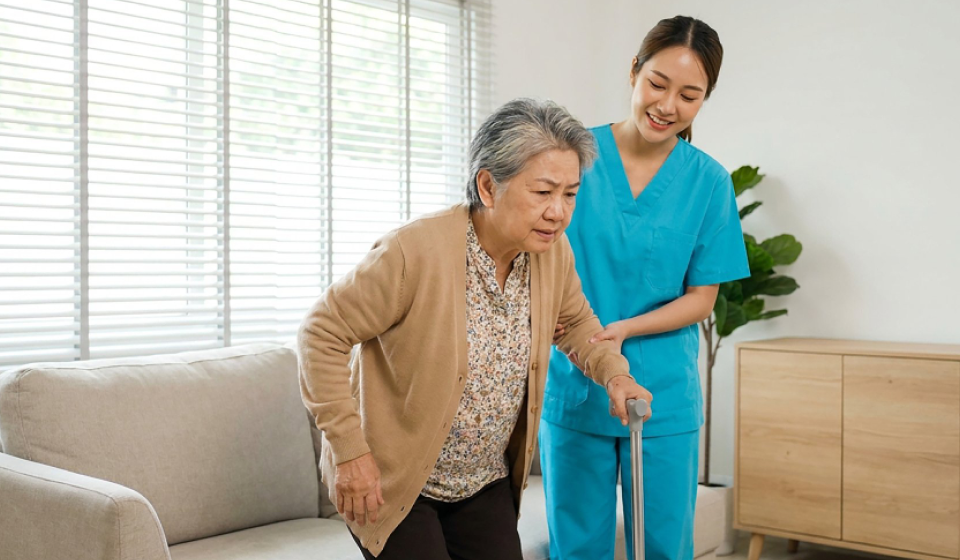
Live-in care can provide ongoing assistance that reflects the person’s recovery needs and personal circumstances. Carers support different aspects of daily life while encouraging individuals to remain as independent as possible.
Helping with therapist-recommended rehabilitation activities
Continuing rehabilitation after a stroke can feel demanding, particularly when progress is gradual. Physiotherapists, occupational therapists, and other healthcare professionals may recommend specific exercises or activities to support recovery at home.
A live-in carer can offer gentle encouragement, provide reminders, and help arrange therapy appointments. Where appropriate and within their training, they may also assist with recommended activities and share relevant observations with the rehabilitation team. This helps individuals follow their rehabilitation plans while receiving consistent support between appointments.
Supporting independence in everyday activities
Everyday activities such as washing, dressing, and preparing meals can become more challenging after a stroke. Needing assistance with familiar tasks may feel frustrating, especially for someone who is used to managing them independently.
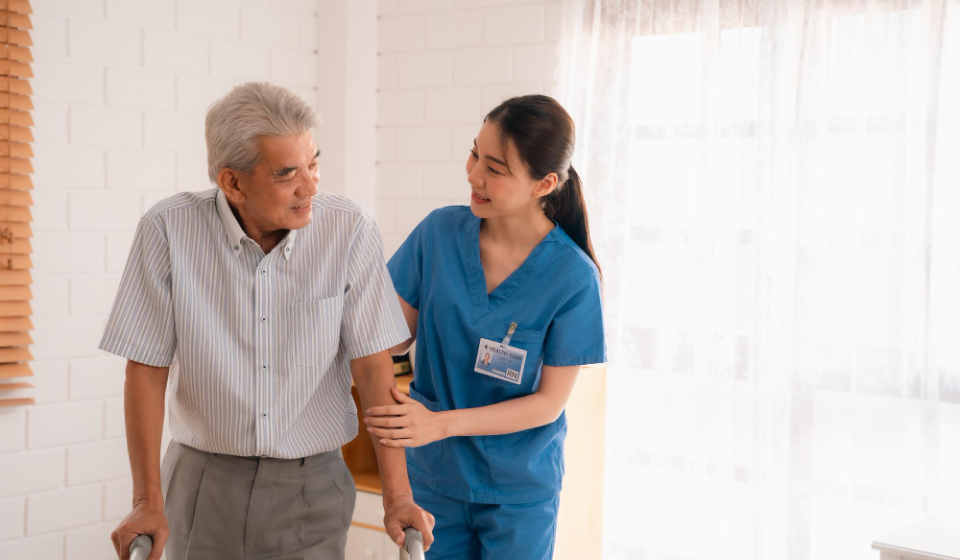
Live-in carers can provide practical help while encouraging individuals to do what they can safely manage themselves. For example, someone experiencing weakness in one arm may need help fastening clothing but still be able to complete other parts of their dressing routine.
By allowing individuals to make choices and participate in daily activities at their own pace, carers can help them maintain a sense of independence and control.

Helping with communication difficulties after a stroke
Communicating with others can become challenging after a stroke, particularly for individuals experiencing aphasia or difficulties producing clear speech. Some people may struggle to find the right words, understand conversations, or express their needs.
Live-in carers can make communication easier by listening patiently, allowing extra time for responses, and adapting their approach to the person’s abilities. Simple questions, gestures, pictures, or written prompts may also help individuals express themselves more comfortably.
Managing post-stroke fatigue
Fatigue after a stroke can be difficult to predict and may leave someone feeling exhausted even after relatively simple activities. It can affect both physical energy and concentration, making everyday routines harder to manage.
A live-in carer can help individuals balance activity and rest according to their energy levels. This may involve planning regular breaks, spreading demanding tasks throughout the day, and allowing additional time when someone feels particularly tired.
By remaining attentive to changes in energy levels, carers can adjust daily routines to help individuals feel more comfortable without placing unnecessary pressure on them.
Providing emotional support during recovery
The emotional impact of a stroke can be difficult to manage, particularly when someone is adjusting to changes in their health and lifestyle. Feelings of sadness, anxiety, or frustration may affect their overall wellbeing.
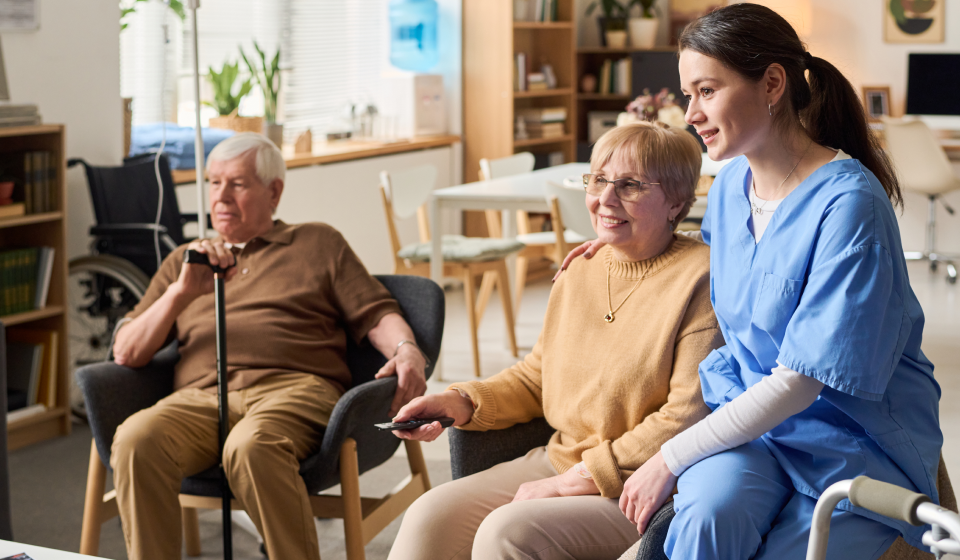
Live-in carers can provide a reassuring presence by listening to concerns, offering encouragement, and creating opportunities for meaningful social interaction. They can also support individuals in maintaining hobbies and relationships that bring them comfort.
If changes in mood become persistent or concerning, carers can raise these concerns with family members and relevant healthcare professionals.
What should families look for when choosing live-in care after a stroke?
Choosing suitable live-in care involves understanding the person’s recovery needs and finding support that fits their circumstances. Families should consider the following factors:
- Personalised care assessment: Look for a provider that assesses the individual’s mobility, communication abilities, daily routines, and rehabilitation needs before developing a care plan.
- Experience in stroke care: Choose carers with relevant experience and training in supporting stroke survivors, including an understanding of common challenges during recovery.
- Compatibility and communication: Consider the person’s preferences, language needs, and comfort with the carer. A good match can help build trust and make receiving care easier.
- Flexible care arrangements: Check whether the care plan can be reviewed and adjusted as recovery progresses. Families should also clarify arrangements for overnight assistance, carer breaks, and additional supervision when needed.
- Coordination with healthcare professionals: Look for a provider that can communicate with the person’s rehabilitation team, where appropriate, so everyday care remains consistent with professional recommendations.

Conclusion
Recovering from a stroke takes time, patience, and support that reflects each person’s needs. With the right live-in care arrangements, individuals can continue their rehabilitation while receiving practical assistance, maintaining familiar routines, and working towards greater independence at home.
At Aum Care Group, we offer personalised live-in care services tailored to individual needs and preferences. Our experienced carers provide compassionate support to help people manage everyday challenges in the comfort of their own homes. If you or a loved one is recovering from a stroke, contact us to discuss your care needs and find out how we can help.
Frequently asked questions
Can someone fully recover from a stroke at home?
Some people regain most abilities, while others experience lasting effects. Rehabilitation and appropriate support at home can help individuals make progress towards recovery.
How long does recovery after a stroke usually take?
Some improvements occur within weeks, but recovery may continue for months or years. The timeline depends on stroke severity, overall health, and rehabilitation needs.
Can live-in carers help with stroke rehabilitation exercises?
Yes, carers can help with exercises recommended by rehabilitation professionals when appropriately trained. They offer reminders and encouragement but do not replace qualified therapists.
Is live-in care suitable for someone with limited mobility after a stroke?
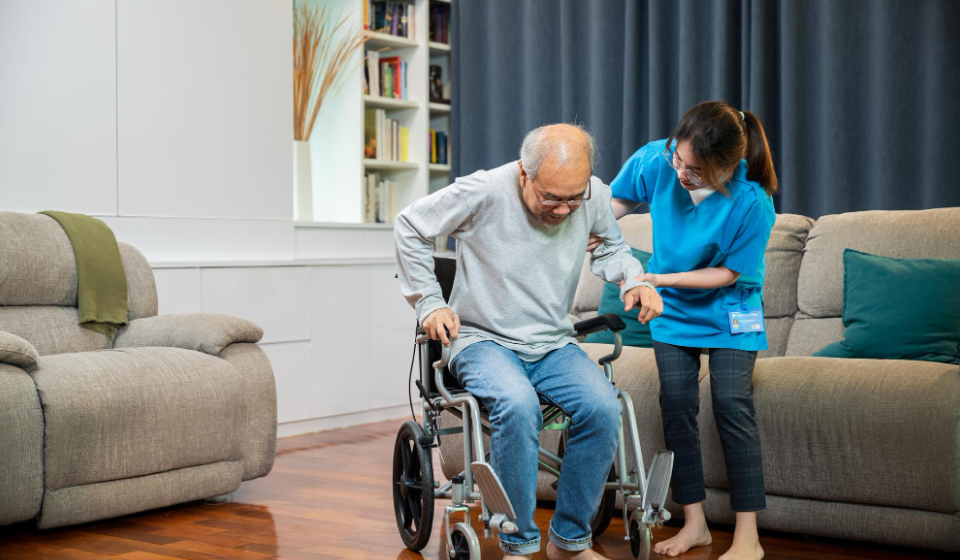
Live-in care may help people with limited mobility, depending on their needs. An assessment determines suitable assistance, equipment, and whether additional staffing is required.
Can live-in care be arranged for short-term stroke recovery?
Yes, short-term live-in care may be arranged following hospital discharge, depending on availability and assessed needs. Support can be reviewed as recovery progresses.