


Disability History Month is a time to recognise the rights, achievements, and contributions of disabled people. It also encourages conversations about equality, inclusion, and the importance of ensuring everyone has the opportunity to lead an independent life.
For people with disabilities, independence can take different forms, particularly when daily activities require additional support. Having the right care arrangements in place can make a meaningful difference. Live-in care offers a way to receive personalised assistance at home while maintaining independence and control over everyday life.
Why independence matters for people with disabilities
Having independence allows people with disabilities to make decisions about their lives, follow personal preferences, and pursue activities that matter to them. Maintaining independence can benefit people with disabilities in several ways:
- Build confidence and self-esteem: Having opportunities to make decisions and use existing abilities can strengthen confidence in everyday life.
- Maintain dignity and personal identity: Being able to express preferences and follow familiar routines helps individuals retain a sense of control.
- Support emotional wellbeing: Greater involvement in personal decisions can reduce feelings of frustration, helplessness, or dependence.
- Stay socially connected: The freedom to pursue interests, maintain relationships, and participate in community activities supports a sense of belonging.
- Maintain a better quality of life: Having choices about daily activities and personal goals allows individuals to focus on what matters to them.

How live-in care helps people with disabilities maintain independence
Live-in care allows people with disabilities to receive the assistance they need while continuing to live in familiar surroundings. With support tailored to their individual needs and abilities, they can maintain greater control over their everyday lives and continue enjoying the comfort of home.
Assistance with personal care and daily activities
Everyday tasks such as bathing, dressing, grooming, and maintaining personal hygiene can be challenging for people with certain disabilities. Live-in carers provide the assistance needed to manage these activities while maintaining each person’s comfort and dignity.
They also help with daily tasks such as getting ready in the morning, preparing meals, and keeping the home tidy. By assisting with tasks that are difficult to manage alone, carers help individuals follow a comfortable daily routine without feeling overwhelmed.
Support with mobility and accessibility
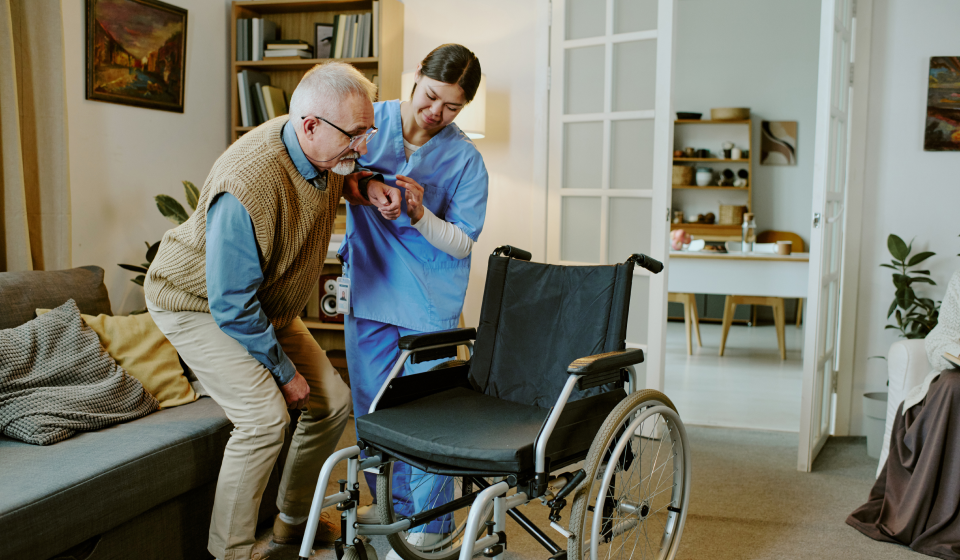
For individuals with limited mobility, moving around the home can require additional assistance. Live-in carers help with walking, transfers, and using mobility aids, such as wheelchairs and walking frames, in accordance with individual care plans.
They also provide support when moving between rooms, getting in and out of bed, or accessing essential areas of the home. This support helps individuals move around their homes with greater confidence and ease.
Encouraging personal choice and decision-making
Independence also means having the freedom to make decisions about everyday life. Live-in carers encourage individuals to express their preferences and take an active role in choices about their care, meals, schedules, and activities.
Rather than making decisions on someone’s behalf, carers listen, offer suitable options, and provide assistance with communication when needed. This approach helps individuals remain involved in decisions affecting their lives and maintain a sense of personal control.
Maintaining social connections and community involvement
Staying connected with family, friends, and the wider community is an important part of everyday life. Live-in carers help individuals maintain these relationships by providing practical assistance with visits, social activities, and outings.
Whether someone enjoys attending a local group, meeting friends, or spending time with family, carers help with the arrangements and provide support during activities where required. This allows individuals to remain involved in their communities and continue enjoying their social interests.
Companionship and emotional support
Having someone to talk to and share everyday moments with can provide comfort, particularly for individuals who spend significant time at home.
Live-in carers offer companionship through friendly conversations, shared activities, and attentive listening. They also provide reassurance during difficult moments and take time to recognise changes in mood or emotional wellbeing.
This consistent presence helps individuals feel supported and understood while preserving their privacy and personal space.
What should families consider when arranging live-in care?
Choosing the right live-in care involves understanding the individual’s needs, preferences, and daily routines. Here are some important factors to consider:
- Individual care requirements: Identify the activities that require assistance, including personal care, mobility, household tasks, and any specialist support needs.
- Personal preferences: Consider preferred routines, communication methods, cultural requirements, and expectations regarding privacy.
- Carer experience and training: Check whether carers have suitable training and experience to provide the required level of support.
- Care planning and flexibility: Ask how the care plan is developed, reviewed, and adjusted when individual needs or circumstances change.
- Living arrangements: Ensure the home has suitable accommodation for a live-in carer, including appropriate sleeping facilities and arrangements for rest periods.
- Communication and involvement: Discuss how the individual, their family, and relevant healthcare professionals will be involved in care reviews and important decisions.
It is also important to discuss overnight care, daily breaks, and any additional support required. Understanding these arrangements helps families choose suitable care.
Supporting independence with AUM Care Group
Disability History Month reminds us that independence, dignity, and inclusion should be recognised throughout the year. For people with disabilities, receiving support that respects their abilities and preferences can play an important role in maintaining control over everyday life.
At AUM Care Group, we provide personalised live-in care services designed around individual needs, routines, and cultural preferences. Whether you are exploring live-in care for yourself or a family member, our team can discuss your requirements and help you understand the available options. Contact us to arrange a free consultation and learn how personalised support at home may help maintain independence.
Frequently asked questions
What is the main purpose of Disability History Month?
Disability History Month raises awareness of disabled people’s history, rights, and achievements while encouraging greater understanding of equality, accessibility, and inclusion.
How does live-in care promote independence for people with disabilities?
Live-in care provides personalised assistance with everyday activities while respecting individual choices, encouraging participation, and helping people maintain familiar routines at home.
Can people with learning disabilities benefit from live-in care?
Yes. Depending on individual needs, live-in care can provide assistance with daily routines, communication, personal care, and activities that support independent living.
Can live-in care be adjusted if someone’s needs change?
Yes. Care plans can be reviewed and adjusted to reflect changes in mobility, health, personal preferences, and the level of assistance required.
Is live-in care suitable for someone who needs support at night?
It depends on the level of support required. Frequent overnight assistance may require additional carers or a separate waking-night care arrangement.